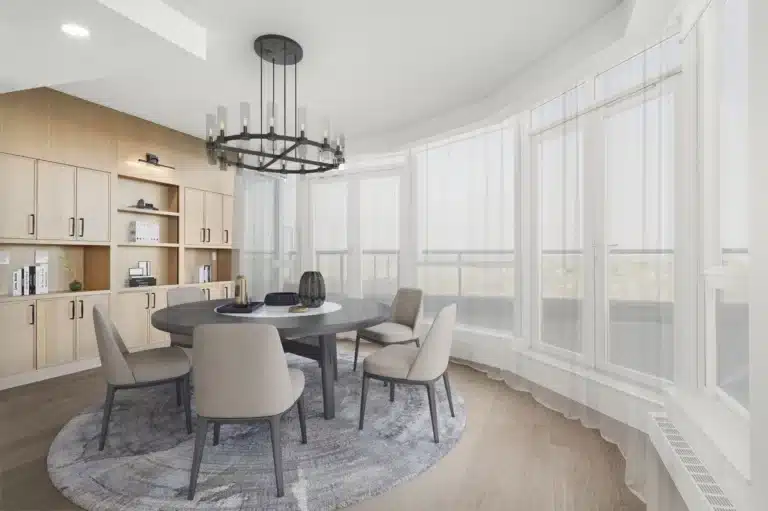
Most home renovations begin with inspiration. A photo saved on Instagram. A kitchen seen in a magazine. A Pinterest board filled with beautiful interiors that suddenly make your own home feel full of possibilities. Inspiration is exciting. It sparks ideas about how a space could look and feel. It opens the door to imagining a home that works better for everyday life.
But inspiration alone rarely leads to a successful renovation. The photos we save online are often taken in homes with completely different layouts, lighting conditions, architecture, and spatial constraints. What works beautifully in one space may not translate well to another.
This is where thoughtful design planning becomes essential. Turning inspiration into a finished home requires more than selecting finishes or copying a visual style. It requires understanding how the home functions, how the spaces connect, and how every design decision works together.
At HAUS Interiors in Calgary, renovation projects begin by focusing on how homeowners want to experience their space. The goal is not simply to recreate an image from a magazine, but to design a home that feels cohesive, functional, and deeply personal.
Why Inspiration Alone Isn’t Enough
Inspiration images tend to highlight the most visually striking elements of a space. Cabinet colours. Countertops. Furniture styling. Decorative lighting. What those images rarely show is the planning behind them.
The layout decisions that make the kitchen functional. The lighting plan that creates warmth and depth. The material palette that ensures everything works together harmoniously. Without that underlying design strategy, homeowners sometimes try to recreate individual elements they love without understanding how those elements interact with the rest of the space. This can lead to challenges such as:
- Materials that clash with existing finishes
- Furniture that feels out of scale in the room
- Lighting that leaves spaces dim or uneven
- Layouts that remain inefficient despite cosmetic upgrades
Design planning bridges the gap between inspiration and reality. It translates visual ideas into a home that actually works.
Start With Layout Before Aesthetics
One of the most transformative aspects of any renovation is layout planning. Before selecting materials or finishes, designers first evaluate how the home functions.
- How do people move through the space?
- Where do bottlenecks occur?
- Which rooms feel disconnected from one another?
Many Calgary homes built in earlier decades were designed with more segmented layouts. Kitchens were separated from living areas. Dining rooms existed as formal spaces rarely used outside of holidays. Today, many homeowners want spaces that feel more connected and intuitive.
Reconfiguring a layout can dramatically improve how a home functions. Removing a wall may allow the kitchen to flow into the living area. Expanding a kitchen island can create a gathering space for family and guests. Adjusting circulation paths can make a home feel more open and comfortable. These changes often have a greater impact than any finish selection. When layout planning comes first, the renovation supports the way people actually live in their home.
Creating a Cohesive Material Palette
Another challenge homeowners face when renovating is selecting materials. Inspiration images encourage people to fall in love with individual elements. A marble countertop. A particular cabinet colour. A lighting fixture. But great interiors are not built from individual pieces.
They are created through carefully coordinated material palettes that consider the entire home. Flooring, cabinetry, countertops, hardware, lighting, paint colours, and textiles must all work together. Each element influences how the others are perceived.
Interior designers develop these palettes carefully so that the finished space feels intentional rather than assembled piece by piece. The goal is not simply to choose beautiful materials. It is to create harmony across the entire environment.
Why Lighting Design Changes Everything
Lighting is often the most underestimated element in a renovation. Many homes rely almost entirely on recessed ceiling lights. While practical, this type of lighting alone often leaves spaces feeling flat or overly bright without warmth. A well designed lighting plan layers different types of light throughout the home.
Ambient lighting provides overall illumination. Task lighting supports activities such as cooking or reading. Accent lighting highlights architectural details and adds depth to a space.
These layers dramatically change how a home feels. Lighting can make a room feel intimate, expansive, relaxing, or energetic depending on how it is designed. When incorporated early in the renovation process, lighting becomes one of the most powerful tools in shaping the atmosphere of a home.
Designing Around Lifestyle
Successful renovations are ultimately about improving how people live in their homes. This means looking beyond aesthetics and focusing on everyday routines.
- How does the kitchen support cooking and entertaining?
- Is there enough storage for daily life?
- Do living spaces encourage conversation and relaxation?
- Do furniture layouts feel comfortable and balanced?
Interior designers evaluate how homeowners interact with their space and identify opportunities to improve that experience. Sometimes the solution is subtle. Better storage solutions. Improved lighting placement. Furniture arrangements that create natural conversation areas. These changes may not always be dramatic visually, but they significantly improve how the home functions day to day. HAUS Interior’s lead project manager and interior designer, Michael Anderson, says that “We don’t start with a colour palette; we start with a conversation. Aesthetics are the skin, but lifestyle is the bone structure. If the layout doesn’t support the way you actually live, the prettiest materials in the world won’t make it feel like home.”
Planning Prevents Expensive Mistakes
One of the most valuable aspects of professional design planning is the ability to make decisions before construction begins. Without this planning phase, homeowners often make design changes during construction. While sometimes unavoidable, these changes can lead to increased costs, construction delays, and inconsistent design outcomes.
A complete design plan provides contractors with clear direction. Materials are selected ahead of time. Layout decisions are finalized. Lighting plans are coordinated with electrical work. When construction begins with a fully developed design, the project tends to run far more smoothly. It also allows homeowners to move through the renovation process with far greater confidence.
Renovations as a Long-Term Investment
A renovation is not simply a visual upgrade. It is a meaningful investment in the comfort, functionality, and long-term value of a home. Thoughtfully designed renovations can transform how a home feels on a daily basis. Spaces become easier to live in, more enjoyable to spend time in, and better suited to the needs of the household.
At the same time, well planned renovations often maintain strong property value because the design choices feel timeless rather than trend-driven. Learn How Designers Create Timeless Interiors Instead of Trendy Ones. The most successful projects focus on creating spaces that will continue to feel relevant and beautiful many years after the renovation is complete.
The HAUS Interiors Design Approach
At HAUS Interiors, renovation projects are approached as a collaborative journey between homeowner and designer. Rather than beginning with finishes or trends, the process starts with understanding how the homeowner wants to live in the space.
The design process typically unfolds in several stages. The first stage focuses on consultation and discovery. Designers learn about the homeowner’s lifestyle, routines, and long-term goals for the home. Next comes concept development, where layout possibilities and design direction begin to take shape.
During design development, materials, finishes, lighting plans, and furnishings are selected to create a cohesive vision. Once the design is finalized, the team manages procurement and coordination with contractors and suppliers. The final stage brings the space together through installation and styling, ensuring the finished home reflects the original vision while feeling natural and comfortable to live in. This structured approach ensures that inspiration evolves into a thoughtfully executed renovation.
Turning Inspiration Into a Home That Works
Inspiration is an important first step in any renovation. But creating a home that feels cohesive, functional, and timeless requires more than copying beautiful images. It requires careful planning, thoughtful design decisions, and a process that connects inspiration with execution. With the right guidance, homeowners can transform initial ideas into spaces that support everyday living while reflecting their personal style.
Planning Your Renovation With HAUS Interiors
If you are considering a home renovation in Calgary, working with an experienced interior designer early in the process can make the entire journey more thoughtful and enjoyable. HAUS Interiors provides full-service interior design in Calgary, helping homeowners transform their spaces through intentional planning, cohesive design, and a highly personalized client experience.
During your consultation, you will explore how your home could evolve, what improvements may be possible within your space, and how thoughtful design planning can help bring your vision to life. If you are ready to begin planning your renovation, scheduling a consultation is often the first step toward turning inspiration into a beautifully executed home.