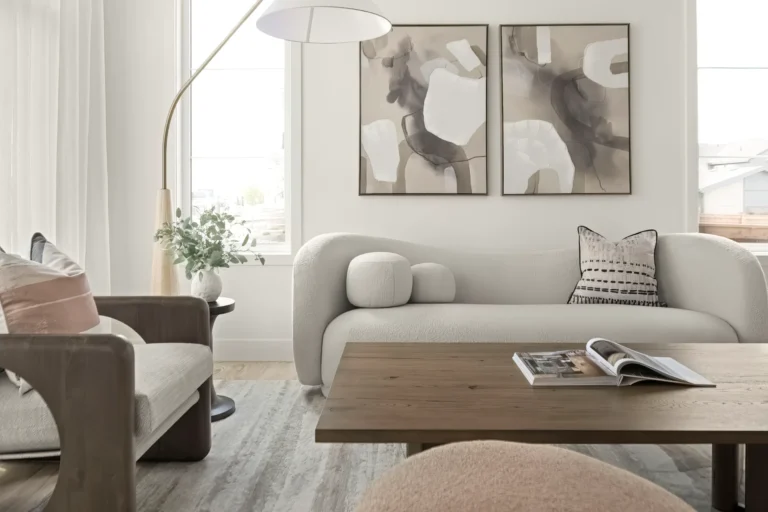
Renovating a home is rarely just about aesthetics. For most homeowners, it begins with a feeling that something in the home isn’t working anymore. The kitchen feels disconnected from the rest of the main floor. The lighting doesn’t support how the space is used. Rooms that once made sense now feel closed off or inefficient.
Many people start solving these frustrations the same way. They scroll Pinterest. They save inspiration photos. They start imagining what their home could become. But inspiration alone rarely translates into a successful renovation. The real turning point in any renovation project is choosing the right interior designer.
A skilled interior designer in Calgary doesn’t simply help select finishes or furniture. They guide the entire transformation of a home, from the first planning conversations to the final installation. Layout decisions, material selections, contractor coordination, lighting design, furniture scale, traffic flow. Every element of the home needs to work together.
Because of the complexity and investment involved, choosing the right designer is one of the most important decisions a homeowner will make during the renovation process.
At HAUS Interiors, many clients come to the studio at the earliest stages of planning. They want to understand how the design process works and how to choose the right partner for a project that may shape their home for the next twenty years.
If you’re considering hiring an interior designer in Calgary, these are the questions worth asking before committing to a renovation.
Why Hiring the Right Interior Designer Matters
A renovation project involves far more moving parts than most homeowners initially expect. According to the Canadian Home Builders’ Association, proper planning and design coordination are among the most important factors in keeping renovation projects on budget and on schedule.
Behind every finished space are hundreds of decisions that must be coordinated thoughtfully. Layout adjustments affect lighting and electrical plans. Flooring transitions influence how rooms connect visually. Cabinetry affects the overall tone and feel. Without a comprehensive design plan guiding these decisions, renovations often begin to drift.
Homeowners frequently encounter challenges such as:
- Design choices that look good individually but clash together
- Structural changes that inflate construction costs
- Layouts that still feel awkward after renovation
- Delays caused by last-minute design revisions
- Confusion between contractors, trades, and suppliers
These problems rarely occur because contractors lack skill. They occur because the project was not fully designed before construction began. A strong interior design process solves these issues early and it’s something we walk clients through at HAUS Interiors so they are guided towards decisions they’ll love later.
When a designer develops a clear plan before demolition starts, contractors can work efficiently, materials arrive on time, and the final space feels intentional rather than pieced together. That planning stage is where the real value of working with an experienced Calgary interior designer becomes clear.
1. What Types of Projects Do You Specialize In?
Interior design is a broad field, and different designers focus on very different types of work. Some specialize primarily in decorating. Their focus is furniture placement, artwork, and styling existing spaces. Others focus on large-scale renovations that involve rethinking the structure and flow of a home.
If you’re planning a renovation, it’s important to work with a designer who regularly handles projects such as:
- Kitchen transformations
- Main floor redesigns
- Whole-home renovations
- Major layout reconfigurations
These types of projects require much more than visual styling. They involve coordinating contractors, solving functional layout problems, and ensuring the home works as a complete environment rather than a collection of individual rooms.
At HAUS Interiors, projects often involve guiding clients through the entire design journey from the earliest conceptual planning to the final details that make a home feel finished. That long-term perspective is especially important for renovations where homeowners plan to live in the space for many years.
2. How Does Your Interior Design Process Work?
One of the clearest indicators of a professional design firm is a structured design process. Without a defined process, renovations tend to become reactive. Decisions are made as problems arise, which can create confusion, budget overruns, and unnecessary stress for homeowners. A thoughtful interior design process typically unfolds in several stages:
The first stage focuses on understanding the homeowner. How they use their home. What frustrations they experience in the current layout. What they hope the space will feel like when the renovation is complete.
From there, designers begin developing a design concept. This stage explores the aesthetic direction, the atmosphere of the home, and the functional priorities guiding the renovation.
Next comes layout planning and floor plan development. This is where the structural decisions are made. Walls may move. Circulation paths are reworked. Spaces begin to flow more naturally.
Once the layout is established, the design team begins selecting materials and finishes. Cabinetry, lighting, flooring, countertops, plumbing fixtures, and furniture all come together in a cohesive plan.
Finally, the design team works closely with contractors and trades during construction and installation to ensure the design vision is implemented correctly.
Understanding how a designer approaches each phase of the project helps homeowners know what to expect during the renovation journey and make the overall process feel more seamless.
3. Do You Work With Contractors and Builders?
Interior design and construction are deeply interconnected. A kitchen renovation alone might involve electricians, plumbers, cabinet fabricators, tile installers, millworkers, flooring specialists, and painters. Without someone coordinating the design intent with these trades, details can easily get lost during construction. Experienced interior designers act as the bridge between the design plan and the construction process.
This often involves reviewing drawings with contractors, answering technical questions during the build, clarifying installation details, and ensuring materials are installed exactly as intended. This coordination becomes particularly valuable when unexpected challenges arise during construction. Rather than forcing homeowners to make difficult decisions in the middle of a build, the designer can guide the solution while protecting the overall design vision.
But not all designers are equally involved in the construction process. Some will refer you to trusted trades and contractors then bill hourly for involvement. Others, like HAUS Interiors, handle the process from start to finish so that you don’t need to manage the construction process yourself.
4. How Are Interior Design Fees Structured?
Interior designers structure their fees in different ways. Some charge hourly rates, others use flat rates and companies like HAUS Interiors use a percentage-fee system so that homeowners aren’t left with a surprise hourly bill that was higher than expected. Understanding the fee structure early helps homeowners plan their renovation investment more effectively.
It’s equally important to understand what services are included. Some designers provide concept designs but leave sourcing, coordination, and installation to the homeowner. Others offer full-service design, which includes selecting materials, managing orders, coordinating contractors, and overseeing installation.
For larger renovation projects with HAUS Interiors, many homeowners prefer full-service design because it simplifies the process. Instead of managing multiple suppliers and trades themselves, they have a single point of contact guiding the project. This concierge-style approach is often what transforms a renovation from a stressful undertaking into an enjoyable experience.
5. How Involved Will I Be in the Design Process?
Every homeowner approaches renovation differently. Some enjoy being deeply involved in every design decision. Others prefer a guided experience where the designer handles the details while they focus on the overall vision. Understanding how involved you want to be helps determine whether a designer’s process is the right fit. At HAUS Interiors, the goal is to create a collaborative experience where clients feel informed and confident, but not overwhelmed by hundreds of small decisions.
Our lead designer and project coordinator, Michael Anderson, works one on one with clients to understand their preferences, lifestyle, and aesthetic goals and uses this information to create a cohesive plan that reflects their personality while maintaining a clear design direction. He says, “it’s a constant balancing act of functions and feelings, and fine-tuning those inputs to create a considered and cohesive outcome.” This balance allows homeowners to stay engaged in the creative process without feeling burdened by the complexity of the project.
6. What Timeline Should We Expect?
Renovation timelines depend heavily on the scope of the project. Design planning alone may take several months, especially when custom cabinetry, millwork, or furniture pieces are involved.
Once materials are selected and ordered, construction begins. That phase can range from a few weeks to several months depending on the complexity of the renovation. In cases where design elements are custom built or sourced internationally, planning ahead becomes essential.
Understanding the full timeline from design planning to final installation allows homeowners to prepare for the renovation process. Patience during this stage often leads to significantly better results. Homes designed thoughtfully over time tend to feel more cohesive and intentional than projects rushed to completion.
7. What Makes Your Interior Design Approach Different?
Every designer approaches their work with a different philosophy. Some prioritize bold aesthetics. Others focus on minimalism or trend-driven interiors. At HAUS Interiors, the philosophy centers around creating spaces that feel deeply considered and tailored to the people who live there. Rather than treating renovations as quick cosmetic upgrades, the design process focuses on the long-term relationship homeowners have with their space. Functionality plays a central role:
- How does the home support everyday life?
- How do rooms connect naturally?
- How will materials age over time?
Equally important is creating interiors that feel timeless rather than trend-driven. Trends inevitably change. But thoughtful design, quality materials, and careful planning create homes that remain beautiful and functional for decades. You can read more about Materials That Actually Last 20+ Years and how they can extend the life of your renovation.
Finding the Right Interior Designer in Calgary
Hiring an interior designer is not simply about choosing someone whose portfolio looks most appealing. It’s about finding a design partner who understands how to guide a complex renovation from concept to completion.
The right designer will listen carefully, ask thoughtful questions, and help homeowners make decisions that support both the present and the future of the home. For many Calgary homeowners, this partnership becomes one of the most valuable aspects of the renovation process.
Ready to Work With a Calgary Interior Designer?
If you’re planning a renovation and want clarity before construction begins, working with an experienced interior designer can make the entire process more thoughtful and enjoyable.
HAUS Interiors provides full-service interior design in Calgary, helping homeowners transform their spaces through intentional planning, cohesive design, and a deeply personalized client experience. During an initial consultation, you’ll explore possibilities for your home, discuss how the space could function better, and begin shaping a vision for the renovation ahead.
If you’re ready to begin planning your renovation, you can schedule a consultation with HAUS Interiors and start the process with a clear design strategy.