
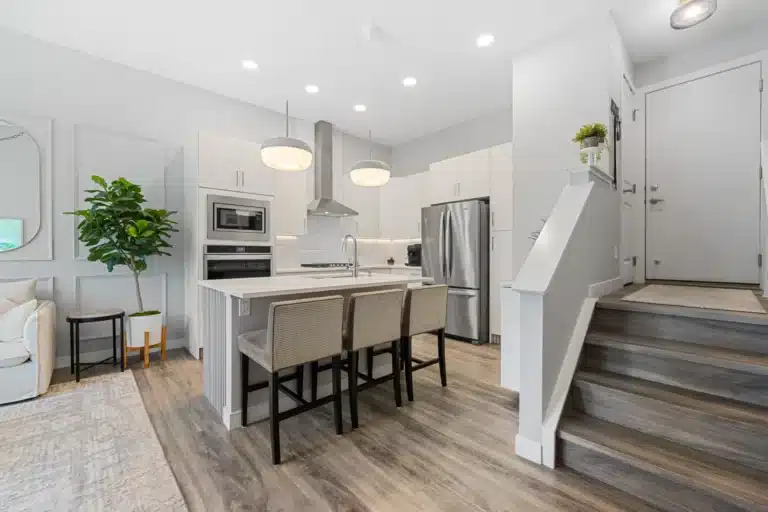
Many homeowners begin a renovation thinking about what they want their home to look like. But the better question is often how the home should reflect the lifestyle of the people living in it. How does the space support your routines today? How will it adapt as your family grows, careers shift, children move out, or daily habits evolve over time?
Designing a home that ages well isn’t about predicting the future perfectly. It’s about creating a space that can adapt naturally as life changes. The most successful renovations balance beauty with practicality, ensuring the home continues to feel comfortable, functional, and relevant many years after the renovation is complete.
Across Calgary, more homeowners are approaching renovations this way. Rather than designing purely for resale value or following short-lived design trends, they are investing in homes that will support their lifestyle for the long term.
At HAUS Interiors, this philosophy shapes the design process from the very beginning. A renovation is not simply a visual transformation. It is an opportunity to rethink how the home functions, how it flows, and how it will continue to serve the people living there over the next decade or more. Instead of simply looking at renovation ideas, design decisions are made with longevity in mind, the result is a home that feels intentional, comfortable, and enduring.
Why More Calgary Homeowners Are Searching Renovation Ideas for Long-Term Living
In the past, many homeowners approached renovations with resale in mind. The goal was often to increase property value before moving again a few years later. Today, that mindset has shifted. Research from the National Institute on Aging shows that a growing number of homeowners prefer to remain in their homes as they age rather than relocate, which is why many renovations now prioritize long-term livability and adaptable design.
In Calgary’s established neighbourhoods especially, homeowners are choosing to stay in their homes longer. Instead of moving every few years, many families are investing in renovations that allow them to remain where they already feel rooted. This shift changes the entire design conversation. Rather than asking, “What will sell later?” homeowners are asking “how can this home work better for us long term?”
For many families, that means improving daily functionality. Kitchens become more efficient gathering spaces. Living areas are designed to accommodate entertaining, relaxing, and working from home. Storage solutions eliminate clutter that has built up over years of living in the same space.
Another major consideration is durability. Materials that age well reduce maintenance and prevent the need for another renovation five years later. Ultimately, the goal becomes creating a home that feels comfortable not just now, but far into the future.
Start With Function Before Aesthetics
One of the most common renovation mistakes is beginning with aesthetics. Homeowners often fall in love with a particular kitchen style or a beautiful inspiration image online. But those images rarely reflect the specific layout, architecture, and lifestyle of the homeowner’s actual space.
The most successful renovations begin with function. Designers take time to understand how homeowners move through their space and how rooms are used throughout the day. Which areas feel crowded? Which rooms sit unused? Where do daily routines feel inefficient?
Sometimes the solution is subtle. A small shift in cabinetry placement can improve circulation in a kitchen. Adjusting a doorway can improve flow between rooms. Adding storage where none existed before can change how an entire space feels. When functionality leads the design process, the final space feels natural to live in. Instead of constantly adapting to the home, the home begins to support the people living there.
Designing Flexible Spaces That Evolve Over Time
Homes rarely stay static. A playroom today might become a study area in five years. A spare bedroom may eventually function as a home office. A dining room used for formal gatherings may gradually become a casual entertaining space.
Designing with flexibility allows the home to evolve naturally as needs change. Rather than assigning a rigid function to every room, designers often look for ways to create spaces that can adapt over time. Built-in storage can make rooms multi-functional. Furniture layouts can allow spaces to shift between everyday use and entertaining. This type of design planning ensures that the home remains useful even as lifestyles evolve. It also prevents homeowners from feeling like their renovation becomes outdated as soon as life circumstances change.
Creating Main Floors That Support Everyday Living
For most homes, the main floor is where daily life unfolds. Meals are prepared, conversations happen, guests are welcomed, and families gather at the end of the day. Because of this, main floor renovations often provide the greatest improvement in overall comfort and functionality.
Many Calgary homes built in previous decades were designed with segmented layouts. Kitchens were separated from living spaces, dining rooms were isolated, and circulation between rooms often felt awkward. Modern lifestyles tend to favor more connected spaces.
Opening sightlines between kitchen, dining, and living areas allows these rooms to function together while still maintaining distinct character. Improved lighting and thoughtful furniture placement can create a sense of openness without losing warmth. Small layout adjustments can dramatically change how a home feels on a daily basis.
Kitchen Design Renovation Ideas That Remain Beautiful and Functional
Few rooms experience more wear and use than the kitchen. Because of this, kitchens are often the most important area to consider when designing for longevity. Quality cabinetry, durable countertops, and thoughtful storage solutions make an enormous difference in how a kitchen performs over time.
Instead of focusing on trendy finishes, long-lasting kitchens tend to emphasize craftsmanship and practical layout decisions. Learn How Designers Create Timeless Interiors Instead of Trendy Ones. Cabinet interiors are designed for efficient storage. Lighting supports both cooking and entertaining. Appliances are integrated seamlessly into the design. When these elements are considered early in the design process, kitchens remain functional and visually appealing for decades.
Bathrooms Designed With Comfort in Mind
Bathrooms are another area where thoughtful planning can significantly improve long-term usability. While accessibility concerns may not feel urgent today, small design decisions can make spaces more comfortable over time. Many of these ideas align with universal design principles promoted by the National Association of Home Builders, which emphasize features like walk-in showers, wider circulation space, and improved lighting to support long-term living.
Walk-in showers, better lighting, and durable materials can improve both safety and comfort without compromising aesthetics. Even subtle adjustments such as wider circulation space or carefully positioned lighting can dramatically improve how a bathroom feels years later. These decisions often go unnoticed when everything works well, but they become incredibly valuable as homeowners continue living in the space long term.
Lighting That Enhances Both Atmosphere and Practicality
Lighting is one of the most underestimated elements in home design. Many older Calgary homes rely primarily on overhead fixtures, which often leave rooms feeling dim or unevenly lit. A layered lighting approach transforms how a home feels. Ambient lighting creates general illumination. Task lighting supports activities such as cooking or reading. Accent lighting highlights architectural details or artwork. This layered approach not only improves visibility but also enhances the atmosphere of the home. Lighting designed thoughtfully can make spaces feel more inviting while also improving everyday comfort.
Choosing Materials That Age Gracefully
Materials play a significant role in how well a renovation holds up over time. High-quality materials often develop character as they age rather than deteriorating quickly. HAUS Interior’s lead project manager and interior designer, Michael Anderson, says that, “the goal isn’t to find a material that stays frozen in time, but one that tells a story. We look for ‘living’ finishes—like unlacquered brass or natural stone—that develop a unique patina. It’s the difference between a surface that looks worn out and one that looks well-loved.”
Hardwood flooring, natural stone surfaces, well-constructed cabinetry, and solid hardware tend to maintain their beauty for decades. They also require less frequent replacement compared to lower quality alternatives. Choosing durable materials is not simply about longevity. It also contributes to the overall feel of the home. Well crafted materials bring depth, texture, and authenticity to a space in ways that synthetic materials often cannot replicate. We have a detailed blog on Materials That Actually Last 20+ Years in High End Homes if you want to read more about picking materials.
Balancing Personal Style With Timeless Design
Many homeowners worry about whether their renovation will feel outdated in a few years. The key to avoiding this problem is balance. Timeless design focuses on proportion, quality materials, and cohesive planning rather than short-term trends. Neutral foundations allow homeowners to introduce personality through elements that can evolve more easily.
Artwork, textiles, and decor can change over time without requiring a full renovation. This approach allows the home to reflect the homeowner’s personality while still maintaining a sophisticated, enduring design.
Why Thoughtful Design Planning Matters
One of the most common renovation mistakes is approaching design room by room. When decisions are made in isolation, it becomes difficult to maintain consistency throughout the home.
A good interior designer in Calgary will approach renovations holistically. Every decision is made in relation to the larger vision for the home. Flooring transitions, lighting strategies, cabinetry finishes, and furniture selections are all considered together. This level of coordination ensures the final space feels cohesive and intentional rather than pieced together over time. It also prevents costly mistakes that can occur when design decisions are made during construction rather than before it begins.
Renovating With the Future in Mind
When renovations are planned with longevity in mind, they provide value far beyond aesthetics. Thoughtfully designed homes tend to improve daily routines, reduce the need for future renovations, and maintain strong property value over time. More importantly, they create environments that continue to feel comfortable and meaningful to the people who live there. A renovation designed for long-term living becomes less about following trends and more about creating a home that grows with you.
Planning Your Renovation With HAUS Interiors
At HAUS Interiors, design projects begin with a deep understanding of how homeowners want to live in their space. Rather than focusing solely on visual changes, the design process prioritizes functionality, longevity, and thoughtful planning.
The HAUS design process typically includes:
Consultation and Discovery
Understanding the homeowner’s lifestyle, goals, and long-term plans for the home.
Concept Development
Exploring layout possibilities and developing the design vision.
Design Development
Selecting materials, finishes, lighting plans, and furnishings.
Procurement and Coordination
Managing suppliers and collaborating with contractors.
Installation and Final Styling
Bringing the space together with furniture, decor, and finishing details. This structured process ensures that every design decision contributes to a home that remains beautiful and functional for years to come. Schedule a consultation with us today.