
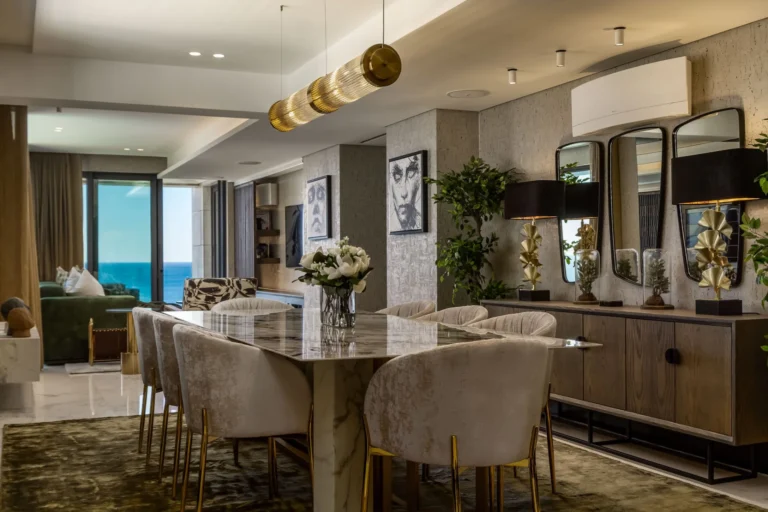
For many homeowners, full service interior design renovation begins with inspiration. A saved Instagram post. A Pinterest board filled with beautiful kitchens. A magazine feature that captures the feeling they want their home to have. But inspiration alone doesn’t turn into a finished space.
Transforming ideas into a fully realized interior requires a structured process that connects planning, materials, contractors, and execution. Without that structure, even well-intentioned renovations can become overwhelming. Interior designers guide homeowners through this journey, helping translate inspiration into a cohesive design that works both aesthetically and functionally.
At HAUS Interiors, major renovations are approached as a carefully managed collaboration between designer and homeowner. Rather than rushing into demolition, the process begins with thoughtful planning so that every design decision contributes to the final vision.
Michael Anderson, lead interior designer with HAUS Interiors says, “a renovation without a step-by-step process is just an expensive series of guesses. At HAUS, we believe that the ‘magic’ of a reveal is actually the result of hundreds of disciplined, premeditated decisions. We start with the ‘why’ and the ‘how’ so that by the time we get to the ‘what,’ every choice feels inevitable, cohesive, and—most importantly—intentional.”
Why a Clear Design Process Matters
One of the biggest challenges homeowners face when renovating is simply knowing where to start. Without a clear plan, renovations often unfold in a reactive way. Decisions are made one at a time, sometimes under pressure, while contractors are already working in the space.
This approach frequently leads to budget increases, construction delays, and design inconsistencies between rooms. A structured design process prevents these problems by ensuring the important decisions are made early.
Layout, lighting, materials, and furniture planning are resolved before construction begins. With a clear roadmap in place, contractors can execute the renovation efficiently and homeowners can move through the project with confidence.
This philosophy is closely connected to the ideas explored in From Inspiration to Execution: Planning a Successful Home Renovation, where thoughtful design planning turns inspiration into a cohesive environment.
Step 1: Initial Consultation and Discovery
Every renovation begins with a conversation. The initial consultation focuses on understanding how homeowners currently use their space and what they hope to achieve through renovation. Rather than immediately discussing finishes or colour palettes, designers explore the deeper goals behind the project.
This conversation may include topics such as daily routines within the home, long-term plans for the property, aesthetic preferences, and renovation priorities. Some homeowners want a kitchen that functions better for entertaining. Others want their main floor to feel more open and connected. Some are preparing their home for long-term living and want spaces that will remain comfortable for decades. Understanding these motivations helps shape the direction of the entire design process.
Step 2: Concept Development and Design Direction
Once the goals of the renovation are clear, designers begin developing the overall design direction. This stage focuses on establishing the atmosphere and visual identity of the future space. Designers may explore mood boards, inspiration imagery, colour palettes, and early design concepts. Rather than selecting individual finishes immediately, this phase defines the larger vision that will guide the renovation.
A cohesive design direction ensures that every decision moving forward supports the same aesthetic and emotional experience. This approach also aligns with the principles discussed in How Designers Create Timeless Interiors Instead of Trendy Ones, where design decisions prioritize longevity rather than fleeting trends.
Step 3: Layout Planning and Floor Plans
Layout planning is often the most transformative stage of a renovation. Even the most beautiful materials cannot compensate for a layout that feels awkward or inefficient.
Interior designers carefully evaluate how homeowners move through their space and how rooms connect with one another. Kitchens may be repositioned, walls removed, or furniture arrangements reimagined to improve flow.
Detailed floor plans allow designers to test different possibilities before construction begins. These plans ensure cabinetry fits comfortably within the room, traffic flow feels natural, and sightlines throughout the home feel intentional. Many homeowners discover that layout improvements dramatically change how their home functions.
“In many of the older homes we renovate in neighbourhoods like Mount Royal or Elbow Park, the original layout actually works against the family. My goal during the floor plan phase is to ‘remove the friction.’ Whether it’s reorienting an island to face the living room or creating a dedicated mudroom for Calgary winters, these structural shifts are what turn a house from a series of rooms into a cohesive sanctuary.” Says Michael.
As discussed in The Real Cost of Poor Layout Design in Older Calgary Homes, thoughtful layout planning often delivers the greatest improvement in everyday living.
Step 4: Material and Finish Selection
Once the layout has been finalized, designers begin selecting the materials that will define the character of the space. This stage involves choosing elements such as flooring, cabinetry, countertops, lighting fixtures, hardware, wall finishes, and architectural details.
Rather than selecting materials independently, designers develop a cohesive palette that allows each element to complement the others. Durability and longevity are also carefully considered during this stage. The goal is not simply to create a space that looks beautiful when completed but one that will continue to perform well over time.
Our article on Materials That Actually Last 20+ Years in High-End Homes explores how thoughtful material choices help renovations age gracefully.
Step 5: Budget Planning and Procurement
Once materials and finishes have been selected, the design team begins coordinating with contractors and suppliers to finalize pricing and ordering. This stage involves reviewing costs, confirming contractor estimates, placing orders for materials and furnishings, and organizing delivery timelines.
Proper planning during this phase helps ensure that construction progresses smoothly. When materials arrive on schedule and contractors have clear specifications, the renovation process becomes far more efficient.
Step 6: Collaboration With Contractors and Trades
During construction, interior designers work closely with contractors and trades to ensure the design vision is executed correctly. This collaboration often includes reviewing plans with builders, answering design questions that arise during construction, coordinating installation details, and verifying that materials are installed according to the design plan.
Because designers remain involved throughout the build, they can quickly address issues and maintain consistency across the project. This ongoing coordination helps prevent the miscommunication that can sometimes occur between different trades working on the same renovation.
Step 7: Furniture, Styling, and Final Installation
Once the structural renovation is complete, the final stage focuses on bringing the space together. Furniture placement, artwork, window treatments, and decorative accessories help transform the renovated environment into a fully realized interior. Lighting adjustments and final styling details add warmth and personality to the space.
This stage is often where homeowners begin to see the full impact of the renovation. The home no longer feels like a construction project but like a finished environment designed specifically for their lifestyle.
Why Renovations Should Never Be Rushed
It is natural for homeowners to feel eager to begin construction quickly. However, rushing into demolition without completing the design planning stage often leads to complications later. Renovations that begin with thoughtful planning tend to stay closer to budget, progress more smoothly during construction, and produce far more cohesive results. Interior design is not a quick fix. It is a process that ensures the renovation enhances both the beauty and functionality of the home.
The HAUS Interiors Full Service Interior Design Experience
At HAUS Interiors, renovations are approached with the goal of making the process feel organized, collaborative, and enjoyable for homeowners. Clients receive a full-service interior design experience where every stage of the renovation is thoughtfully coordinated.
From early design exploration to final installation, the design team manages the details while homeowners focus on the excitement of transforming their space. This concierge-level approach ensures that each renovation feels intentional, cohesive, and built to last.
“We believe that a high-end renovation should be a luxury experience, not a second full-time job for the homeowner. Our concierge approach means that when a challenge arises on-site—and in renovation, they always do—we already have three solutions ready before we even call you. We take the ‘decision fatigue’ out of the equation so that every milestone feels like a celebration of progress rather than a hurdle to clear.” Says Michael.
Planning Your Full Service Interior Design Renovation Journey
If you are considering a major home renovation, understanding the design process is the first step toward a successful project. With thoughtful planning and the guidance of an experienced designer, renovations can transform not only how a home looks but how it supports everyday living.
Book a Consultation With HAUS Interiors
If you are planning a renovation in Calgary and want guidance through the design process, HAUS Interiors offers full-service interior design from concept through completion. During your consultation you can explore renovation possibilities within your home, discuss layout improvements, review material options, and develop a clearer vision for your project. To begin planning your renovation, visit https://hausinteriors.ca/contact