
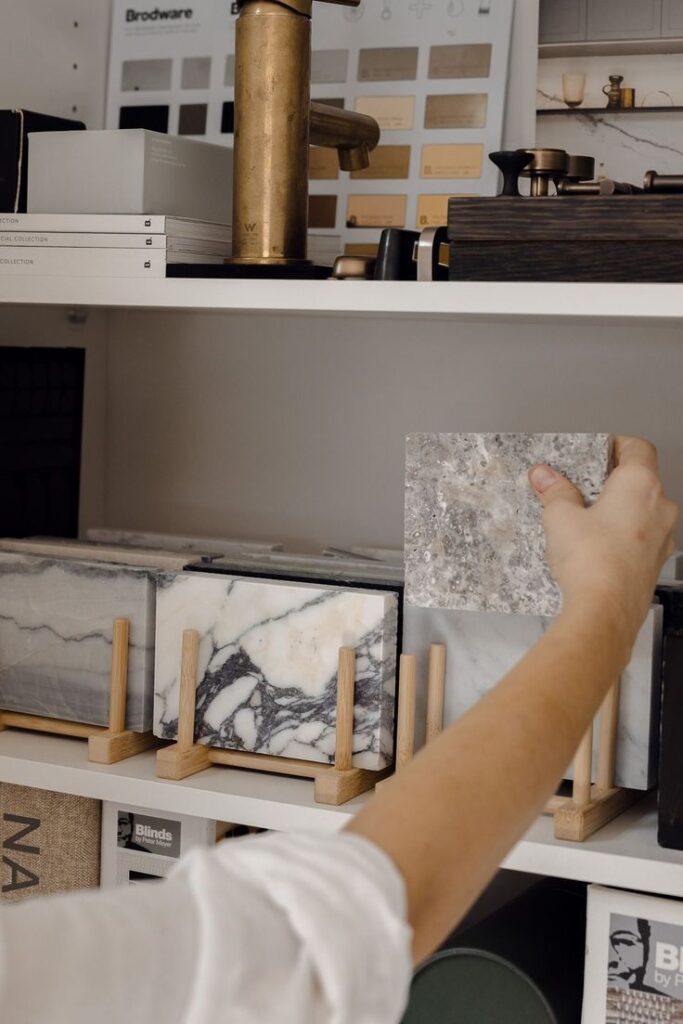
For many homeowners, the first meeting with an interior designer is the moment a renovation stops feeling like an idea and starts becoming a real project. Maybe you’ve been collecting inspiration images for months. Maybe you know something about your home isn’t working anymore, but you can’t quite explain why. Or maybe you simply feel ready for a change but don’t know where to begin. A design consultation is where those scattered ideas begin to take shape.
For Calgary homeowners considering a kitchen renovation, a main floor redesign, or a full interior transformation, this meeting is often the first step toward turning inspiration into a clear and achievable plan. Preparing for the conversation ahead of time allows your designer to understand your goals more quickly and ensures the discussion focuses on solutions rather than guesswork.
At HAUS Interiors, consultations are designed to help homeowners gain clarity around their space, understand what is possible within their home, and explore how thoughtful design can improve both function and atmosphere.
Michael Anderson, HAUS Interior’s lead designer says “a successful consultation should feel like a weight being lifted. We take the ‘decision fatigue’ that comes with modern renovations and replace it with a professional roadmap. I want our Calgary clients to finish that first meeting thinking, ‘Okay, they get it—and we actually have a plan to make this happen.'”
What an Interior Design Consultation Is Really For
Many homeowners assume the first meeting with an interior designer will focus primarily on style choices. Paint colours, furniture selections, or decorative details often come to mind. In reality, a professional interior design consultation is much more strategic. It is a conversation about how your home works today and how it could work better in the future.
During a consultation, a designer may explore how you currently move through your space, where the home feels inefficient, and what improvements would make daily life easier. The conversation may also touch on layout opportunities, aesthetic preferences, renovation goals, and long-term plans for the property. This early discussion helps establish the foundation for the entire design process.
As explained in our article on From Inspiration to Execution: Planning a Successful Home Renovation, successful renovations rarely begin with finishes or decor. They begin with understanding how the home should function.
1. Think About What You Actually Want to Change
Before meeting with a Calgary interior designer, it helps to spend some time thinking about what prompted you to consider a renovation in the first place. Many homeowners start with visual inspiration but have not fully identified the functional challenges within their home.
Ask yourself a few simple questions.
- Which spaces feel frustrating to use?
- Where does the layout feel awkward or inefficient?
- Are there rooms that feel disconnected from the rest of the home?
- How long do you plan to stay in this property?
Some homeowners want a more functional kitchen. Others want their main floor to feel more open for entertaining. Some simply want their home to feel calmer and more cohesive. Understanding these priorities helps designers focus on solutions that truly improve the way the home works.
2. Gather Inspiration Images
Platforms like Pinterest, Instagram, and design publications allow homeowners to collect images that reflect styles they are drawn to. Design resources such as Houzz have become particularly popular for homeowners researching renovation ideas and discovering how different layouts and materials work together.
These images give designers a visual starting point for understanding your taste. However, inspiration images should be viewed as reference points rather than exact templates. Every home has unique architectural conditions, natural lighting, proportions, and structural limitations. A design that works beautifully in one home may need to be adapted significantly to work in another.
During the consultation, designers typically look for patterns within the images you bring. They may notice recurring colour palettes, preferred materials, furniture styles, or lighting aesthetics. From there, they can begin translating inspiration into a design direction that suits your specific space. This idea is explored further in our guide on How Designers Create Timeless Interiors Instead of Trendy Ones, where we discuss how inspiration evolves into a personalized design plan.
3. Identify Functional Challenges in Your Home
One of the most valuable parts of an interior design consultation is identifying what currently isn’t working in your home. Homeowners often think about design in terms of aesthetics first. But the most successful renovations solve functional problems. Before your meeting, consider which parts of your home feel inefficient.
Perhaps the kitchen lacks storage. Maybe the traffic flow between rooms feels awkward. Living spaces might feel disconnected, or lighting may be insufficient in key areas. These types of challenges often reveal opportunities for layout improvements that dramatically improve the experience of living in the home.
In fact, many Calgary renovations ultimately focus on improving the layout rather than simply updating finishes. As we explore in The Real Cost of Poor Layout Design in Older Calgary Homes, layout changes often have the greatest impact on how a home functions.
Michael says, “good design should be felt before it’s seen. It’s the ease of moving through a kitchen or the natural way a living room invites conversation. In our first meeting, I want to move past what you want the home to look like and dive into how you want it to work. Once we solve the functional puzzle, the beautiful aesthetic follows naturally.”
4. Establish a Realistic Budget Range
Budget discussions are an essential part of any renovation conversation. Interior designers rely on this information to recommend appropriate materials, layout strategies, and project scope. Without a clear understanding of the investment range, it becomes difficult to propose realistic solutions. Homeowners don’t need to arrive at the consultation with an exact number. Instead, it helps to consider a comfortable investment range.
Renovation budgets are influenced by factors such as structural changes, material selections, custom cabinetry, lighting design, and the size of the project. For example, homeowners considering a kitchen renovation may find it helpful to review How Much a Kitchen Renovation Costs in Calgary to better understand typical investment ranges. Having this context allows the designer to propose ideas that align with both your vision and your budget.
5. Prepare Questions for Your Designer
A consultation is also an opportunity for homeowners to evaluate whether a designer is the right partner for their project. Preparing a few questions in advance can help you understand how the designer approaches their work.
Many homeowners ask about the design process, how the designer collaborates with contractors, how fees are structured, and what level of involvement the homeowner will have throughout the project. You may also want to ask about the types of projects the designer typically works on and what makes their approach different. Understanding these details helps ensure the partnership feels comfortable and aligned with your expectations.
What Happens After the Consultation
Once the consultation is complete, the designer typically outlines the next steps for moving forward. This may involve preparing a design proposal or beginning the concept development phase. During this stage, ideas discussed during the consultation are translated into a structured design plan. Designers may begin exploring layout concepts, developing mood boards, and defining the overall aesthetic direction of the project. From there, the renovation process moves into more detailed planning, where materials, finishes, lighting plans, and furnishings are selected.
Why Early Design Planning Matters
Many renovation challenges occur when construction begins before the design plan is finalized. Without clear direction, homeowners may find themselves making decisions under pressure while contractors are already working in the space. These situations often lead to increased costs, delayed timelines, and inconsistent design outcomes. Interior designers help prevent these problems by resolving key design decisions before construction begins. This planning stage allows homeowners to explore possibilities thoughtfully and ensures the final result feels cohesive rather than improvised.
The HAUS Interiors Consultation Experience
At HAUS Interiors, consultations are designed to feel collaborative and insightful. Rather than overwhelming homeowners with design jargon or rapid decisions, the goal is to create clarity. The conversation often explores how the homeowner lives in the space, what challenges exist within the home, and what long-term improvements would have the greatest impact.
From there, the design team begins shaping a vision that balances functionality, aesthetics, and long-term value. This approach reflects the broader HAUS philosophy that great design is not about quick visual updates but about creating interiors that support everyday living for many years.
Book an Interior Design Consultation in Calgary
If you are considering renovating your home or redesigning your interior, speaking with an experienced Calgary interior designer is one of the best places to start. A consultation allows you to explore possibilities within your home, clarify your renovation goals, and understand what the next steps in the process might look like. HAUS Interiors provides full-service interior design in Calgary, helping homeowners plan and execute thoughtful renovations from concept through completion. During your consultation, you can explore layout opportunities, design direction, material options, and realistic timelines for your project. To begin planning your renovation, schedule a consult here.